There is a saying among Haitians that to understand the soul of a people, you must first sit at their table. In Haiti, food is never just sustenance — it is memory, rebellion, celebration, and love all folded into one. Three dishes in particular carry the weight of centuries on their flavors: the golden, crispy bite of griot, the ink-dark elegance of diri djon djon, and the amber warmth of soup joumou. Together, they form a culinary trilogy that tells the story of a nation forged in resistance and sustained by community.
Griot: The Dish Named for Storytellers
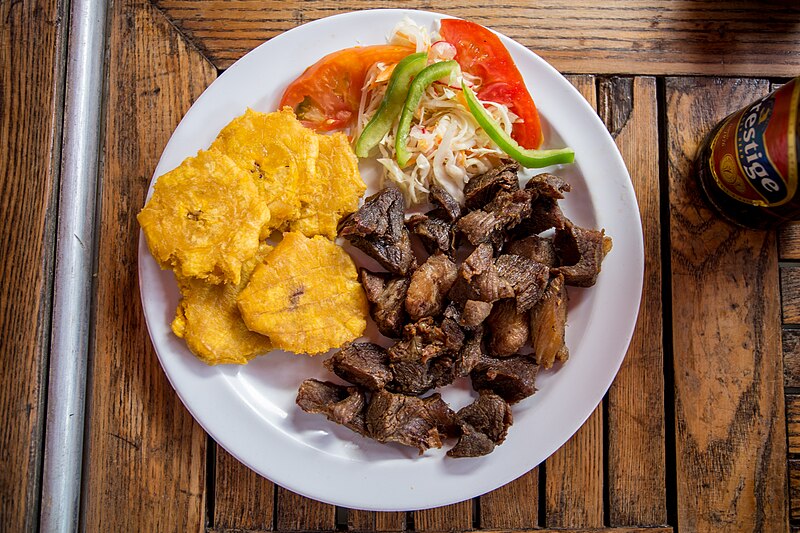
If Haiti has a national dish, griot is the undisputed champion. Walk through any Haitian neighborhood — whether in Port-au-Prince, Cap-Haïtien, or the bustling streets of Little Haiti in Miami — and the aroma of pork sizzling in hot oil will find you before you find it. Griot is pork shoulder that has been marinated in a bright bath of sour orange juice, lime, and epis — the aromatic paste of garlic, peppers, parsley, thyme, and scallions that forms the backbone of Haitian cooking. The meat is first braised low and slow until tender, then plunged into hot oil and fried until the outside shatters into golden, caramelized perfection while the inside stays impossibly juicy.
The name itself tells a deeper story. In West Africa, a griot is a revered figure — a storyteller, historian, and keeper of oral tradition. Griots held positions of high social standing in societies across Senegal, Mali, Guinea, and Burkina Faso. When enslaved Africans were brought to the island of Hispaniola, they carried not only their culinary traditions but also their social structures and vocabulary. The theory most widely accepted is that this prized pork dish was named after the griot because it was once reserved for Haitian citizens of the highest standing — a food worthy of the storyteller, the elder, the community leader.
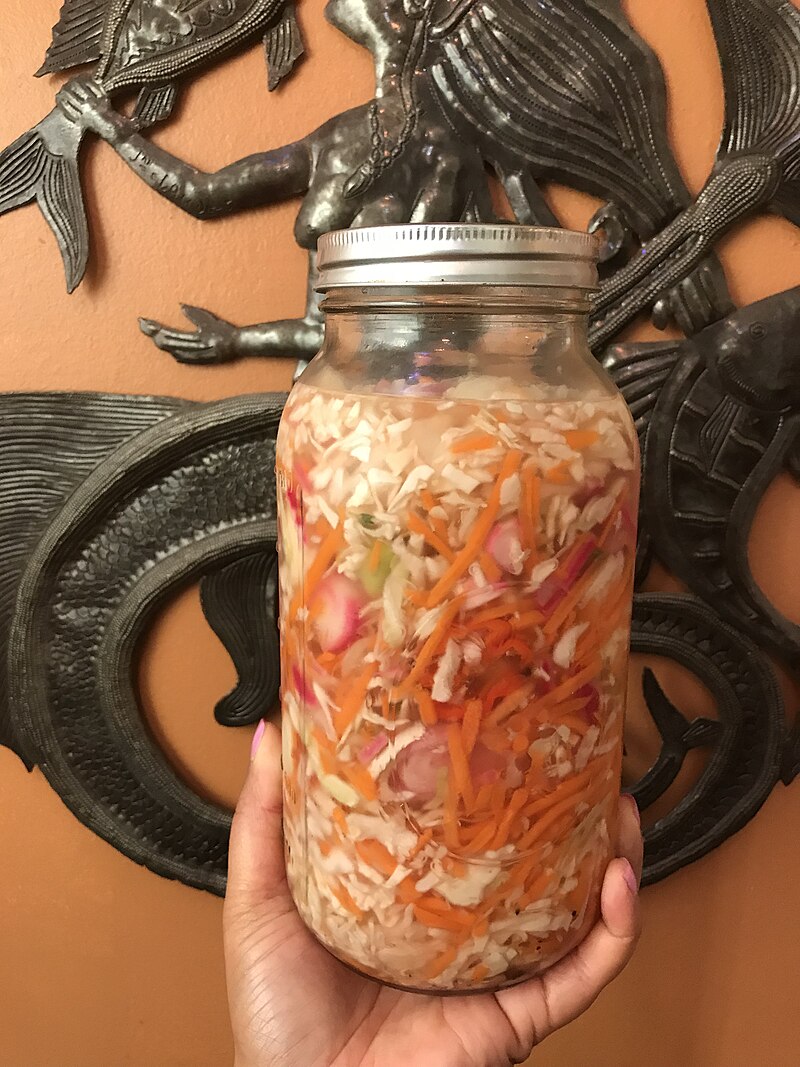
Today, griot has shed its exclusivity and become the great equalizer. You will find it at weddings and baptisms, at Saturday afternoon gatherings where dominoes crack against wooden tables, and at humble roadside stands where it is served in brown paper with a fistful of pikliz — that fiery pickled cabbage and pepper condiment that no plate of griot is complete without. Alongside bannann peze — twice-fried green plantains — griot becomes a meal that is at once simple and profoundly satisfying, a plate that tastes like belonging.
Diri Djon Djon: The Midnight Rice
If griot is the sun of Haitian cuisine — bold, golden, impossible to ignore — then diri djon djon is the moon: mysterious, elegant, and deeply rooted in the earth. This extraordinary dish gets its striking jet-black color from a small, wild mushroom called djon djon that grows only in the mountains of northern Haiti. Found during the rainy season between August and October, these delicate mushrooms are dried and then soaked in hot water, releasing a dark pigment that transforms ordinary rice into something that looks like it was cooked in the night sky itself.
The mushrooms are never eaten whole. Instead, cooks steep them like tea, then strain the inky liquid and use it to cook the rice. Into the pot goes coconut milk, butter, and often lima beans or pois congo — pigeon peas — along with shrimp or herring for those who like a touch of the sea. The result is a dish of extraordinary depth: earthy, savory, subtly sweet from the coconut milk, with a flavor that is wholly unique and impossible to replicate with any substitute ingredient. People have tried using squid ink, black beans, and activated charcoal. None of them come close.
The dish carries within it the story of Haiti’s African and indigenous Taíno heritage. The rice-growing knowledge that enslaved Africans brought from West Africa merged with the ingredients and techniques of the Caribbean to create something entirely new. Diri djon djon is not everyday food. It is the rice of celebrations — weddings, holidays, important Sunday dinners when the whole family gathers and the good china comes out. In a culture where rice is eaten daily, the appearance of djon djon on the table signals that something special is happening, that this moment is worth marking with the best the kitchen can offer.
Soup Joumou: Freedom in a Bowl
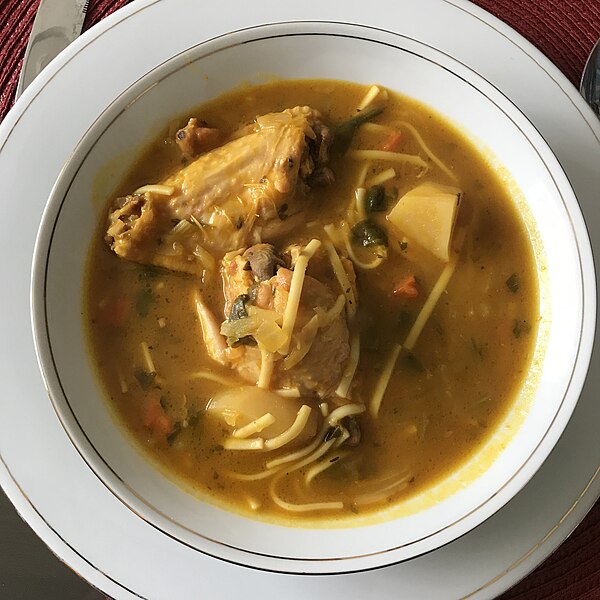
No dish in the Haitian culinary canon carries as much emotional and historical weight as soup joumou. This rich, hearty pumpkin soup — made with giraumon squash, beef, pasta, root vegetables, and a symphony of herbs and spices — is the taste of liberty itself. To understand why, you must go back to the plantation era, when the French colonists who enslaved hundreds of thousands of Africans on the island of Saint-Domingue kept this luxurious squash soup for themselves. The enslaved people who grew the squash, who harvested it and prepared it, were forbidden from tasting it. Soup joumou was a symbol of colonial power and racial hierarchy.
Then came January 1, 1804. Haiti declared its independence — the first Black republic in the world, born from the only successful large-scale slave revolution in history. And on that day, the newly free Haitians did something both simple and revolutionary: they ate the soup. They claimed it as their own. What had been a tool of exclusion became a declaration of dignity, and what had been forbidden became sacred tradition.
Every year on January 1, Haitian families around the world wake early to prepare soup joumou. The process is a labor of love that often begins the night before — the beef is marinated, the squash is roasted and pureed, the vegetables are prepped. By morning, enormous pots simmer on stoves from Pétionville to Brooklyn to Montreal. The soup is shared with neighbors, carried to friends, ladled out to anyone who passes by. It is communal in the deepest sense: a reminder that freedom was won collectively and must be celebrated collectively.
In 2021, soup joumou received the ultimate international recognition when UNESCO inscribed it on its Representative List of the Intangible Cultural Heritage of Humanity — the first Haitian tradition to receive this distinction. The inscription acknowledged what every Haitian already knew: this soup is far more than food. It is a living monument to the rejection of oppression, a yearly renewal of a people’s bond to their history and to each other.
A Kitchen Built on Memory
What connects griot, djon djon, and soup joumou is not just that they are delicious — although they are, magnificently so. What connects them is that each dish is an act of cultural preservation. In a country that has endured colonialism, slavery, foreign intervention, economic strangulation, and natural disaster, the kitchen has remained a place where identity could not be stolen. Recipes passed from grandmother to granddaughter, from auntie to niece, from the woman selling food on the corner to the child watching her work — this is how a people keep their story alive when so much else has been taken from them.
The ingredients themselves are a map of Haiti’s complex history. The citrus marinade of griot echoes the sour oranges that Spanish colonizers brought to the island. The African-origin techniques of braising and frying speak to the resilience of enslaved people who transformed scraps into feasts. The wild djon djon mushrooms connect the cuisine to the specific geography of northern Haiti, a gift from the land that cannot be manufactured or mass-produced. And the giraumon squash in soup joumou links the table all the way back to the Taíno people who cultivated it long before any European ship appeared on the horizon.
Bringing Haiti to the World
Today, Haitian cuisine is experiencing a long-overdue moment of global recognition. Haitian restaurants are thriving in cities with large diaspora communities — Miami, New York, Boston, Montreal, Paris — and increasingly in places where Haitian food was once unknown. Food writers and chefs are celebrating the complexity and boldness of Haitian flavors, and a new generation of Haitian-American and Haitian-Canadian cooks are sharing their family recipes on social media, in cookbooks, and in pop-up kitchens around the world.
But for Haitians, the significance of these dishes was never about outside validation. Griot has always been worthy. Djon djon has always been extraordinary. Soup joumou has always been freedom made tangible. The world is simply catching up to what Haiti’s kitchens have known for centuries: that food cooked with love, seasoned with history, and shared with community is the most powerful storytelling there is.
At HaitiPAM, we believe that every Haitian dish carries a chapter of the nation’s story. From the sizzle of griot to the midnight beauty of djon djon to the liberating warmth of soup joumou, these are the flavors of a people who turned survival into art and resistance into celebration. Pull up a chair. The table is set.
 HAITI PAM
Leave a comment